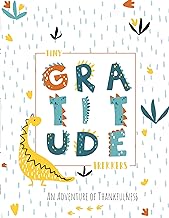
Gratitude is an effective emotion. It can rework our lives and improve our mental well-being. Gratitude strengthens relationships. It also shifts our attention from what we lack to the abundance around us. Furthermore, this fosters positivity and resilience. Research suggests that practicing gratitude can significantly lessen strain and improve sleep. In this blog, we will explore the importance of gratitude. We’ll talk about how books foster thankfulness. We’ll highlight some top-notch books about gratitude, including Gratitude Explorers by Danielle Foster. This book is an outstanding aid for young readers. Whether you want to deepen your very own practice or introduce gratitude to children, the right book can change lives.
Why Books about Gratitude Matter
Gratitude is greater than sincerely saying “thank you.” It’s a mindset shift that enables us to perceive abundance in the location of scarcity. This shift allows us to understand the advantages of our lives. Moreover, research shows that practicing gratitude can beautify highbrow well-being. It lowers stress hormones and eases anxiety and despair. Gratitude also strengthens our relationships, helping us join extra deeply with cherished ones. In addition, it builds emotional resilience and boosts our ordinary delight with existence.
Most importantly, gratitude keeps us grounded in the gift, thereby enhancing our mindfulness and joy in everyday moments. Books about gratitude are remarkable sources. They also provide practical physical games and inspiring testimonies to help develop a gratitude exercise. Whether you’re seeking to rework, in my opinion, or teach kindness to your children, there are numerous useful sources to be had.
How Books Can Teach Gratitude
Reading opens a gateway to gratitude. Let us step outside our own experiences and discover unique views. Best books on gratitude take us to new worlds and introduce sparkling thoughts. They also help us see the abundance in our lives through contrast and reflection. In addition, this unique fine makes literature one of the handiest tools for nurturing thankfulness.
Motivating Narratives That Showcase Appreciation
Memoirs and biographies teach powerful lessons in gratitude. They highlight real people who demonstrated thankfulness in extraordinary situations. These narratives may also display someone finding gratitude despite the difficulty. Additionally, they should feature a philanthropist devoted to giving again. They might also tell the story of an ordinary person who changes their outlook through simple appreciation. By observing how others practice gratitude, readers can identify ideas and practical models for cultivating gratitude in their own lives.
Providing Young Minds with Access to Gratitude
Children’s travel journal helps teach gratitude in a laugh way. Authors create interactive journey journals that inspire children to comprehend adventures. Colorful picture books highlight the daily blessings we often overlook. Storybooks feature characters who research gratitude through their reports. Children’s travel journal consists of thankfulness games, making gratitude feel like play. These methods also allow youngsters to discover gratitude at their own pace. Furthermore, they plant seeds of appreciation that develop into lifelong habits. By presenting gratitude interactively, children’s literature indicates that being grateful isn’t just good manners—it’s a happy way to interact with the world.
Organized Methods Using Directed Practices
Many books on gratitude move past the principle. They offer practical strategies to help readers cultivate a grateful attitude. These sources encompass thought-provoking journaling prompts that inspire self-reflection and introspection. They also offer established physical activities to build appreciation skills and achievable daily or weekly gratitude challenges. This makes thankfulness feel doable.
Additionally, those books frequently include mindfulness strategies centered on appreciation. They train readers to stay present while recognizing life’s blessings. These guided practices help translate gratitude from an abstract idea into concrete actions. By offering this equipment, authors make the blessings of gratitude greater accessible. This empowers readers to make conscious exercise a daily habit that complements their health and outlook on life.
Gratitude Explorers by Danielle Foster
“Gratitude Explorers,” featuring Danielle Foster, is a heartwarming book aimed at nurturing gratitude in children. It also takes younger explorers on an interesting journey to appreciate the simple joys of existence. Moreover, the book stands out due to its interactive technique, which encourages children to reflect on what they are grateful for. It has capabilities that consider and attract discussions. The layout blends mesmerizing storytelling with amusing sports, making gratitude enjoyable. It is a useful tool for instructors who wish to inculcate gratitude from a young age because it is made for younger minds. In addition to being a narrative, it helps families cultivate gratitude as a daily habit, leading to a lifetime of optimism.
Conclusion
Gratitude is an effective antidote that can change our lives. It reshapes our perspective and lifts our happiness. Books are one of the pleasant ways to develop gratitude. For personal growth, books about gratitude also provide us with effective methods to recognize life’s gifts, even in challenging times. Parents and educators can use sources like “Gratitude Explorers” by Danielle Foster. Additionally, this book combines storytelling with interactive reflection to help children discover joy in everyday moments. Books provide the language and suggestions we need to make gratitude a core part of our daily lives. Reading with a focus on gratitude enriches our lives and the people around us.