Young minds stretch through stories, connecting feelings with fresh ideas in best childrens story books. How children view their surroundings shifts subtly through regular reading. Parents tend to search for materials that grow insight alongside emotional awareness. Real-life situations become clearer when picture books link concepts to experience. As plots move forward, attention sharpens, curiosity rising in quiet steps. Over time, spotting feelings, decisions, and outcomes grows easier. As grown-ups share books with kids, conversation unfolds naturally, bit by bit. Over months and years, these quiet exchanges plant seeds later seen in how people think, imagine, and act without needing reminders.
Storytelling Paths With Best Childrens Story Books
Storytelling at an early age strengthens how kids feel and think through best childrens story books. Because of this, regular reading shapes growth in both learning and creative thought. Top storybooks for children shape awareness about values and how to express ideas. In similar fashion, tales let youngsters connect make believe with everyday life in deep ways. Later on, emotional awareness grows more natural through practice. When shared regularly, spoken stories can strengthen family bonds particularly with thoughtful picture books. Often, grown-ups notice kids playing better attention during these times. As a result, discussions about plots deepen without effort.
Eventually, children start sharing ideas more openly. Through repeated contact with storytelling shapes, memory grows stronger. Given enough repetition, putting words together clearly gets easier speaking or writing. Slowly, routine listening brings comfort and predictability. Day after day, reading becomes natural a quiet rhythm that supports steady growth through best childrens story books.
Learning Moments With Tiny Gratitude Trekkers
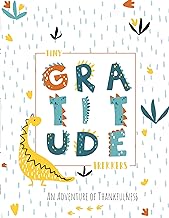
Starting with simple steps, the experience of reading grows richer through organized, hands-on support. Playful engagement shows up in how tiny gratitude trekkers links learning to mindful pauses for kids. Noticing little things that bring joy is gently invited by tiny gratitude trekkers each day. Because of this approach, awareness around care and quiet generosity takes shape early with tiny gratitude trekkers. Starting off, this gratitude-based reading activity builds a space where parents and kids read together, opening clearer lines of talk.
Because of this, young ones begin to share feelings and ideas with less hesitation. Step by step, the program weaves stories with small acts of thankfulness, making reflection feel natural. While reading unfolds, playful tasks spark questions and interest alongside familiar routines. Over time, motivation grows not forced just part of the rhythm. What begins as small moments of thankfulness grows into a steady rhythm of thoughtful expression. Over time, creative exploration walks hand in hand with deeper feelings, shaping how young minds respond to the world. These quiet practices take root slowly, forming patterns that last well beyond childhood.
Reading Adventures Shape Creative Thinking
Reading in imaginative ways shapes how young minds picture ideas. Because of this, guided stories strengthen a child’s ability to form images in thought. Some parents pick high-quality books for children to spark deeper engagement while reading. When that happens, kids start linking plot moments with everyday knowledge. Over time, creative thinking grows clearer and more detailed. Starting off, top children’s books present basic moral ideas through lively stories. As a result, young minds grasp concepts like caring and duty with greater ease. On another note, tales spark curiosity, pushing kids to wonder why things happen. While that unfolds, daily reading builds mental stamina in little ones who are just learning.
So, it goes attention grows, making classroom moments easier to follow. What stands out is how strong children’s books open space for conversation across generations. Behind every story, meaning grows when grown-ups and young readers talk together. Imagination links to real-life sense not all at once, but through moments of shared thought.
Learning Emotions With Everyday Stories
Reading regularly shapes how young minds recognize emotions in best books for kids. Through repeated exposure to tales, feeling recognition grows without pressure in best books for kids. Certain children’s books link events with inner states effectively. Because of this connection, reactions become more reflective than automatic. With time, meaning behind moods becomes clearer through narrative experience. Storytelling opens a space where emotions come up naturally. As kids listen, they start naming what they sense inside. Each time a tale repeats, pieces stick names for moods, patterns in reactions. Language grows not through drills but through familiar voices shaping words. Over days, phrases once tangled become smooth on their tongues. Comfort in speaking blooms when stories lead the way. Reading regularly builds steady conditions where feelings can grow. Storytelling, in turn, shapes thinking skills alongside inner awareness at once through best books for kids.
Creativity Grows When Kids Read Early
Little by little, imagination grows when children meet stories. From such moments, unseen pictures form behind their eyes. Rather than steering sharply, good books leave room to wander. As pages turn or voices rise, thinking reaches beyond what is clear at first glance. With repetition, invention slips quietly into how they learn. Gradually, tales bridge imagination and practical solutions for young minds. When obstacles appear, kids often show deeper interest plus stronger belief in their abilities. With regular books, recall grows thinking also sharpens slowly. During lively tales, students begin forming independent ideas without prompting. Out of listening grows original interpretations, shaped quietly in each mind. Reading stories that unfold with purpose links imagination to understanding. Gradually, engaged minds develop habits of inquiry and personal development.
Conclusion
Little by little, stories influence how children think through best childrens story books. As reading becomes routine, emotions and thoughts begin to connect through best childrens story books. Picture books open paths to kindness, imagination, and quiet focus no lectures needed. Shared pages bring family members closer, slowly building trust. Over time, these small acts paying attention, sharing sounds, smiling at pictures shape the way kids express themselves. Little by little, repeated exposure to tales stirs curiosity within everyday moments. Eventually, interaction with reading material extends past habit shaping a child’s emotional responses, understanding of events, and connection to the world planting quiet seeds for lasting development and personal strength through best childrens story books.