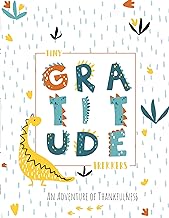
Curiosity thrives where support is thoughtful; early learning tools shape that space. From her own path as an artist and parent, Danielle Foster sees how feeling and discovery link together. Art blends with quiet thought, and then stories begin to form habits kids carry forward. Not just pages to fill, a children’s travel journal grows into something quieter, almost like a mirror for young minds on the move. When kids put pen to paper, emotions start making more sense. Gradually, small daily experiences gain deeper meaning. Because of this habit, optimism grows quietly alongside self-assurance, and emotional growth unfolds without pressure through steady reflection.
Why Every Child Benefits from A Children’s Travel Journal
Most growth happens slowly, yet emotional children’s travel journal development speeds up when kids can share ideas openly every day. Though many tools exist, guided journaling stands out because it gives a steady structure along with freedom to express thoughts. Danielle Foster shaped her method after noticing how creative moments often lead to deeper thinking among younger people. Without needing perfect words, each entry supports a clearer understanding of inner reactions during new experiences. Because of this, kids begin to grasp appreciation and personal expression more easily while also improving how they share thoughts. Confidence grows as well, since expressing ideas through writing or drawing helps them feel heard and valued.
Children’s Travel Journal – Danielle Foster Imagines Playful Early Learning
Starting with a clear intent defines creative progress, so Danielle Foster approaches her projects with energy and direction. Art meets awareness in her methods, letting young minds connect to material that is fun yet meaningful. From private moments of thought came her path into creating a children’s travel journal, shaped by becoming a parent; this shift helped her see how soft guidance matters for kids. Her grasp of graphic design brings vivid visuals into play, ensuring every children’s travel journal holds kids’ attention more effectively. Because of this, the way she shapes each children’s travel journal lets education unfold smoothly while sparking imaginative thinking throughout everyday moments.
Children’s Travel Journal – Writing Creatively to Deepen Feelings
Most children start building quiet strength once they find words for their emotions. A way through comes by putting thoughts on paper. Danielle Foster designed her approach so memories unfold gently, without weight. A children’s travel journal becomes a simple space where experiences turn into reflection without pressure. Open notebooks sit untouched, expecting moments like giggles, awe, or silence found mid-journey between stops and unfamiliar streets. Over time, patterns form, noticing shared feelings right before incidents, following talks within distinct hours. Recognition comes first; better choices often follow. In this process, a children’s travel journal supports emotional clarity by turning everyday thoughts into steady awareness.
Gratitude Changes How Children Think
Starting young builds a natural space for thankfulness in how kids see the world. Because of this, early exposure shapes lasting attitudes toward life’s everyday gifts. Danielle Foster weaves moments of appreciation into regular tasks so kids engage freely rather than by demand, often drawing inspiration from the best books on gratitude. One way she does this is through a travel journal made just for younger minds, where drawing or writing happens daily. Filled pages become quiet records of what felt good, noticed in passing places, mirroring the lessons found in the best books on gratitude. Later, small moments blend with major ones to shape how a child sees the world. As thankfulness takes root, exchanges between people begin to ease up – speech flows better, voices turn warmer. With shifts like these, relationships slowly deepen, much like stories show when exploring best books on gratitude deeply.
Gratitude Explorers Ranks Among Top Gratitude Books
Gratitude Explorers stands out by blending creative activities into ideas that young minds easily understand. Rather than strict teaching, it encourages involvement via drawing and making up stories because thoughtful prompts invite thinking. Since the tasks feel like play, mindfulness becomes something kids anticipate, not endure. Over time, repeated interaction with its pages helps form lasting attitudes around appreciation. Surprisingly, grown-ups sometimes get pulled into the moment, sparking small moments of closeness amid regular tasks.
Still, its quiet approach sets it apart from other gratitude books woven into everyday moments; emotional intelligence for kids grows alongside imagination. Because emotional intelligence for kids folds reflection into routine, family connections deepen without effort. As children respond to thoughtful questions, their ability to recognize and share feelings takes root gradually. Rather than forcing lessons, the process invites them inward, where creative stories meet self-awareness. With consistent engagement, emotional intelligence for kids growth unfolds at a child’s own pace.
Conclusion
Most growth in early years comes not just from learning but through feeling seen; Danielle Foster builds space for both. Expression grows quietly when kids are given tools to notice their thoughts without judgment. A children’s travel journal does more than note locations it holds onto emotions felt at every destination. Pages filled gradually become a map of changing moods shaped by weather, events, and daily surprises. Looking back later lets young travelers see how their reactions evolved through different times, settings, and experiences. Instead of simply talking about joy or frustration, they begin naming patterns on their own terms. Because these books invite family members to write alongside children, conversations start where words once stalled.